
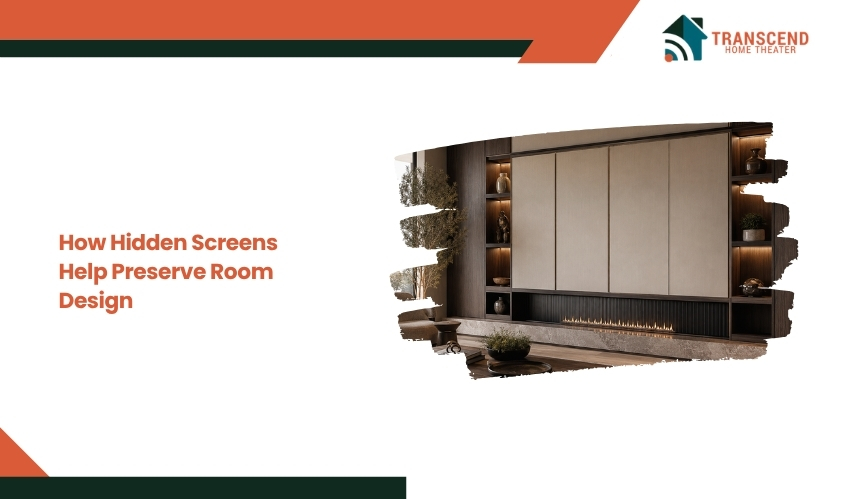
How Hidden Screens Help Preserve Room Design
Key Takeaways:
|
Hidden screens solve a common design challenge by providing ventilation and insect protection without leaving permanent screen panels in view. Unlike fixed screens that can interrupt architectural details or block clean sightlines, retractable systems stay concealed until they are needed. This allows homeowners to preserve the intended appearance of windows, doors, and open living spaces while maintaining everyday functionality.
This guide explains how hidden screens support room design, where they deliver the greatest visual impact, and what to consider when choosing the right system.
Why Traditional Screens Can Disrupt Interior and Exterior Design
Hidden screens address a design problem that many homeowners overlook until after installation. While conventional screens provide everyday functionality, their permanent presence can alter the way a room, window, or outdoor opening was originally designed to look.
How Fixed Screens Affect Sightlines and Architectural Details
Traditional screens remain visible whether they are in use or not. Their frames, mesh, and mounting hardware create a constant visual layer that sits between the living space and the outdoors. This can interrupt uninterrupted views, reduce the visual prominence of large windows, and compete with architectural features such as trim, molding, or custom window frames.
The impact becomes more noticeable in homes with expansive glass, contemporary architecture, or carefully planned interior layouts where clean lines and unobstructed views are central to the overall design.
Common Design Compromises Homeowners Face with Conventional Screens
Many homeowners choose larger windows and wide door openings to maximize daylight and strengthen the connection between indoor and outdoor spaces. Permanently installed screens can undermine these goals by introducing a visible barrier that remains present throughout the year.
Common compromises include:
- Reduced visual openness across windows and patio doors
- Screen frames that conflict with custom architectural finishes
- Mesh that slightly softens exterior views, even in bright conditions
- A less cohesive appearance when some openings require screens while others do not
These trade-offs often become more apparent after renovations or when upgrading living spaces with premium finishes and larger glass installations.
Why Maintaining Visual Continuity Matters in Modern Homes
Visual continuity allows architectural elements, natural light, and exterior views to work together without unnecessary distractions. When windows and doors appear clean and uninterrupted, rooms often feel more spacious, balanced, and connected to the surrounding landscape.
This design principle is especially valuable in open floor plans, indoor-outdoor living areas, and homes where architectural symmetry is a defining feature. Minimizing permanent visual elements helps preserve the original design intent while allowing functional features to remain secondary to the overall aesthetic.
How Hidden Screens Preserve the Look and Feel of a Space
Hidden screens preserve room design by keeping the screen material, frame, and operating components largely out of view when the system is not needed. This allows the opening itself to remain the dominant visual element rather than the screening hardware.
How Do Retractable Screens Disappear When Not in Use?
A retractable screen rolls or slides into a compact housing positioned along the edge of a window, door, or large opening. When retracted, the mesh is stored inside the cassette rather than remaining stretched across the opening.
This concealed storage is what gives hidden screens their design advantage. The screen becomes a temporary functional layer instead of a permanent architectural feature, allowing homeowners to use it when ventilation or insect control is needed and remove it visually when it is not.
Preserving Natural Light and Outdoor Views
Screen mesh can slightly reduce visual clarity and alter the way daylight enters a room. With a hidden screen system, the mesh can be fully retracted during periods when screening is unnecessary, leaving the glass or opening unobstructed.
This is especially useful around floor-to-ceiling windows, sliding doors, French doors, and wide patio openings where daylight and exterior views contribute directly to the character of the room. Retracting the screen restores the original openness of the space without requiring the screen system to be removed.
Blending With Windows, Doors, and Surrounding Finishes
Hidden screen systems can be integrated with the dimensions, frame profiles, and finishes of the surrounding architecture. Housing components are often positioned along door jambs, window frames, or structural edges so they remain visually secondary.
Frame and cassette finishes can also be selected to coordinate with trim, millwork, metal frames, or exterior finishes. When properly specified, the system reads as part of the opening rather than as an added accessory, helping maintain a cleaner and more cohesive room design.
Design Advantages Hidden Screens Bring to Different Living Spaces
Hidden screens provide the greatest design value when they complement the way a space is used. Their ability to remain concealed allows each room to retain its intended architectural character while offering ventilation and insect protection only when needed.
Living Rooms And Entertainment Areas
Living rooms often feature large windows, folding glass walls, or sliding patio doors that are intended to maximize daylight and create an open connection with outdoor spaces. Permanently visible screens can interrupt these focal points by adding another visual layer across expansive glass.
Hidden screens preserve these sightlines by remaining out of view until they are needed. This allows architectural features, surrounding landscapes, and carefully selected interior finishes to remain the primary visual elements throughout the room.
Kitchens And Dining Spaces
Natural ventilation is especially valuable in kitchens and dining areas where fresh air can improve comfort during cooking or gatherings. Hidden screens make it possible to open windows and exterior doors without introducing a permanent screen system that competes with cabinetry, trim details, or large glazed openings.
This approach supports a cleaner interior aesthetic while maintaining the flexibility to increase airflow whenever conditions allow.
Patios, Porches, And Large Openings
Homes across the Washington, DC metro area increasingly incorporate oversized sliding doors, retractable glass walls, and covered outdoor living spaces that blur the boundary between indoors and outdoors. These architectural features are designed to create uninterrupted transitions rather than visible separations.
Hidden screens complement these openings by preserving their open appearance when retracted. When deployed, they provide ventilation and help reduce insect intrusion without permanently altering the visual impact of wide-span doors or outdoor entertaining areas.
Contemporary And Traditional Home Designs
Hidden screens are adaptable because they support the architecture instead of defining it. In contemporary homes, they reinforce clean lines, minimal detailing, and expansive glazing by remaining virtually invisible when not in use.
In traditional homes, concealed screen systems protect original design elements such as decorative trim, divided-light windows, and detailed millwork from being visually overshadowed by permanent screen frames. By allowing architectural details to remain the focal point, hidden screens integrate naturally across a wide range of home styles without requiring design compromises.
Features That Influence Both Appearance And Long-Term Performance
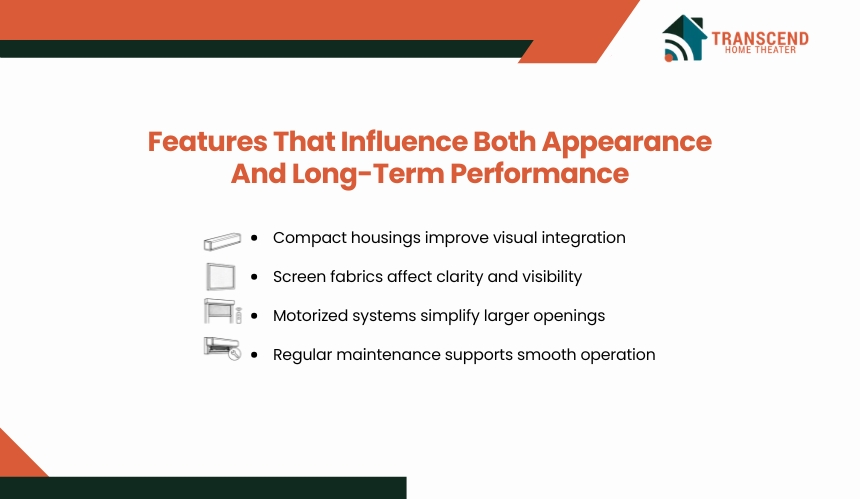
Not all hidden screen systems deliver the same visual result. The way a screen is engineered, integrated, and finished has a direct impact on how well it preserves room design while providing reliable everyday operation.
Housing Design And Frame Integration
A hidden screen is only as discreet as the way it is incorporated into the opening. Compact housing and well-aligned guide rails allow the system to blend with existing window and door frames instead of drawing attention to itself.
During new construction or remodeling, concealed housings can often be incorporated into the surrounding architecture for an even cleaner appearance. For retrofit installations, selecting a system with low-profile components helps minimize visual impact while maintaining the character of the space.
Screen Fabric Options And Visibility
Screen fabric affects both functionality and aesthetics. Mesh openness, color, and weave influence outward visibility, daylight transmission, and the perceived clarity of exterior views.
Choosing a fabric that balances insect protection with visual transparency allows the screen to perform its intended purpose without making the mesh the dominant feature of the opening. The right material also complements the home’s design by reducing visual distraction when the screen is in use.
Manual Versus Motorized Operation
The operating method influences how consistently homeowners use and store their screens. Manual systems provide straightforward operation for individual windows and doors, while motorized systems offer smooth deployment for larger openings or frequently used living spaces.
For many homes throughout the Washington, DC metro area, motorized hidden screens are well suited to expansive patio doors and covered outdoor areas where convenience encourages homeowners to retract the screens whenever they are no longer needed.
Keeping the screens concealed when not in use helps maintain the clean architectural appearance the system was intended to preserve.
Durability And Maintenance Considerations
Long-term appearance depends on more than the screen mesh alone. Frame materials, corrosion-resistant hardware, tensioning mechanisms, and weather-resistant components all contribute to consistent operation over time.
Routine maintenance, such as removing debris from guide tracks and periodically inspecting moving parts, helps the screen retract smoothly and remain properly aligned. A well-maintained system continues to operate discreetly, preserving both its functionality and its contribution to the home’s overall design.
When Hidden Screens Are The Right Choice For Your Home
The effectiveness of a hidden screen system depends on how well it aligns with the home’s architecture, the way the space is used, and the homeowner’s design priorities. Evaluating these factors helps ensure the system enhances both appearance and everyday functionality.
When Do Hidden Screens Offer The Greatest Value?
Hidden screens are particularly beneficial when preserving the visual character of a home is as important as adding practical features. They are often the preferred solution for properties with large expanses of glass, custom architectural details, or indoor-outdoor living spaces where permanent screens would remain highly visible.
They are also well suited for homeowners who want seasonal ventilation and insect protection without altering the appearance of windows and doors throughout the year.
What Should You Consider Before Selecting A Hidden Screen System?
Choosing the right system involves more than matching the dimensions of an opening. Homeowners should evaluate how the screen will integrate with the surrounding architecture, how frequently it will be used, and whether manual or motorized operation better suits the space.
Other considerations include screen fabric characteristics, frame finish options, installation requirements, and long-term maintenance needs. Assessing these details early helps ensure the finished installation supports both performance expectations and the overall design of the home.
Why Professional Installation Matters For Design Results
Even a well-designed hidden screen can lose its visual appeal if it is not installed with precision. Proper alignment, secure mounting, and accurate integration with existing windows, doors, and surrounding finishes all influence how discreet the system appears once completed.
Professional installation also helps maintain smooth operation, consistent screen tension, and reliable retraction over time. For homeowners throughout the Washington, DC metro area, working with an experienced shades installer ensures the hidden screen system complements the home’s architectural style while delivering the clean, unobtrusive appearance it was designed to achieve.
Want to preserve your home’s design without sacrificing everyday comfort? Transcend Home Theater provides automated home decor and smart shades installation throughout the Washington, DC metro area, including Maryland, Northern Virginia, and Washington, DC. Contact our team to explore elegant, integrated solutions that complement your home’s architecture and lifestyle.
Frequently Asked Questions
Can hidden screens be installed without replacing existing doors or windows?
Many retractable screen systems can be retrofitted to existing windows, French doors, sliding doors, and patio openings without replacing the primary assembly. Suitability depends on available mounting space, frame dimensions, thresholds, and surrounding trim. A site assessment determines whether the cassette and tracks can be incorporated cleanly without interfering with normal door or window operation.
Are retractable screens secure enough for homes with dogs or cats?
Standard retractable mesh should not automatically be treated as a pet-containment barrier. Pets can place greater pressure on mesh, lower tracks, and edge retention systems than normal insect screens are designed to withstand. Homes with animals should consider reinforced mesh, secure track designs, or pet-specific screening options based on the animal’s size and behavior.
Can hidden screens and motorized window shades be installed on the same opening?
Hidden screens and motorized shades can share many window and door openings when both systems are planned together. Installers must account for cassette depth, mounting position, shade travel, screen tracks, and clearance around trim. Coordinating both systems before installation prevents one housing or guide system from obstructing the operation of the other.
Do motorized hidden screens work with smart home automation?
Many motorized screen systems can be incorporated into a broader home automation platform when compatible motors and controls are specified. Depending on the system, homeowners may operate screens from wall controls, remotes, mobile interfaces, or programmed scenes. Integration requirements should be established before installation because control protocols and automation compatibility vary between manufacturers.
What happens to retractable screens during strong wind or bad weather?
Retractable mesh creates a large surface that can be affected by wind pressure, particularly across wide patio or porch openings. Wind-rated tracks and retention systems improve stability, but operating limits vary by product. Screens should generally be retracted when conditions exceed manufacturer specifications, which also protects the mesh and mechanical components from unnecessary weather exposure.